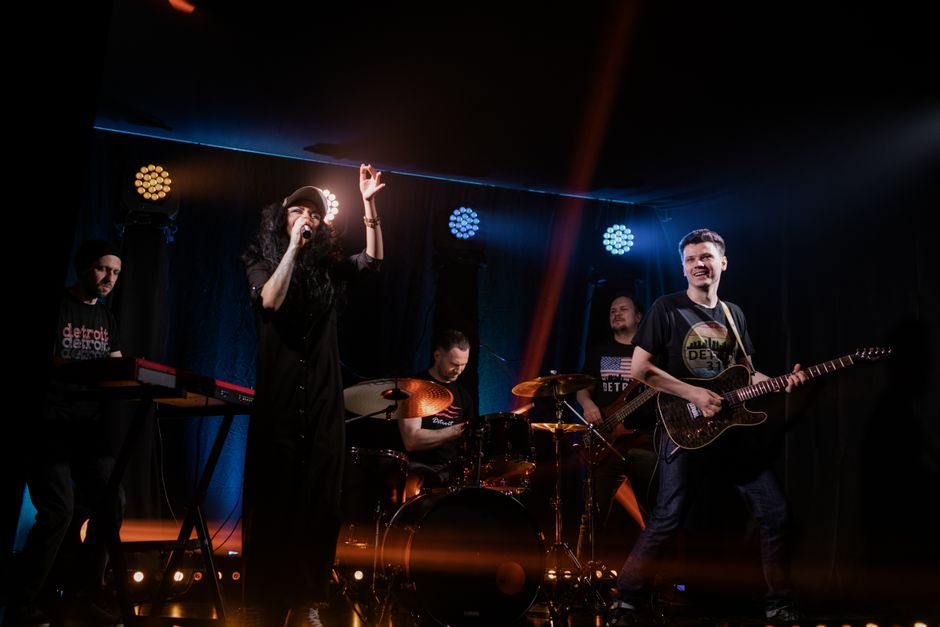
Female Vocalists Who Redefined Pop Music
Female vocalists have played a pivotal role in the evolution of pop music, shaping its sound, style, and emotional resonance. From the soulful authority of Aretha Franklin to the raw vulnerability of Adele, these artists have not only delivered unforgettable songs but also redefined what it means to be a woman in the music industry. This article explores the journeys and contributions of several iconic female vocalists, examining how their artistry has influenced pop music and inspired subsequent generations.
The history of pop music is intertwined with the voices of women who broke barriers, challenged norms, and expanded the possibilities of musical expression. Their work reflects cultural shifts, personal struggles, and artistic innovations that continue to resonate. By understanding their stories, we gain insight into the broader evolution of popular music and the enduring power of the female voice.
The Pioneers: Setting the Stage
Before the term “pop” was even coined, female vocalists were laying the groundwork for future generations. Artists like Billie Holiday and Ella Fitzgerald demonstrated that a woman’s voice could command the same respect and emotional depth as any male counterpart. However, it was Aretha Franklin who truly bridged the gap between gospel, R&B, and pop, bringing a level of sophistication and power to popular music. Her ability to interpret a song, infusing it with raw emotion and technical precision, set a benchmark for vocalists across genres.
Franklin’s influence extended beyond her vocal prowess; she became a symbol of strength and social consciousness. Songs like “Respect” became anthems for civil rights and feminism, illustrating how pop music could reflect and shape societal values. Her career spanned several decades, allowing her to adapt to changing musical landscapes while maintaining her unique identity. By merging the sacred and the secular, she created a blueprint for future female artists to express themselves authentically.
Another pioneer, Dusty Springfield, brought a white British soul sound that was rare at the time. Her meticulous attention to production and her ability to capture the nuances of American soul music helped introduce a broader audience to the genre. Her contributions demonstrate that innovation in pop often involves cross-pollination of styles and cultures.
The 1980s and 1990s: Pop Icons and Diverse Expressions
As pop music evolved, female vocalists diversified their approaches, incorporating new technologies and experimenting with image and performance. Whitney Houston’s breathtaking vocal range and polished delivery set a new standard in the 1980s. Her technical control and emotional clarity in songs like “I Will Always Love You” showcased a level of professionalism that influenced many aspiring singers. Houston’s success also opened doors for African American women in mainstream pop, breaking down racial barriers in the process.
Simultaneously, artists like Madonna redefined the visual and cultural aspects of pop. While perhaps not primarily recognized for her vocal ability, Madonna’s impact was immense: she demonstrated that female artists could control their artistic direction, pushing boundaries of sexuality, gender, and identity. Her constantly evolving persona and her willingness to address controversial topics showed that pop music could be a platform for personal and cultural expression.
The 1990s witnessed a surge of female singer-songwriters who blended pop with personal introspection. Mariah Carey’s five-octave range and her songwriting capabilities, often co-writing her hits, highlighted a move toward self-expression in pop. Simultaneously, artists like Celine Dion achieved international fame with powerful ballads, while Alanis Morissette brought a raw edge, blending rock and pop with introspective lyrics. Each of these artists cultivated a distinct persona, appealing to different audiences and enriching the pop landscape.
This era also saw the emergence of groups and solo acts that catered to teen audiences, such as the Spice Girls, who emphasized female empowerment in a catchy, commercial manner. While criticized for their manufactured image at times, their message of “Girl Power” resonated with a generation and encouraged young women to embrace their individuality.
The 2000s and Beyond: Authenticity and Versatility
The new millennium brought about a shift toward greater authenticity in pop music, partly driven by the rise of digital media and the ability for artists to connect directly with fans. Artists like Beyoncé emerged from girl groups to become global superstars, blending R&B, pop, and hip-hop with socially conscious themes. Her visual albums and ambitious performances elevated the concept of the pop spectacle, while her advocacy for women’s rights and racial equality added depth to her public persona.
In a different vein, Adele’s emergence in the late 2000s signaled a return to soulful balladry and emotional sincerity. Her powerful voice and her introspective, relatable lyrics on albums like “21” and “25” resonated deeply with audiences worldwide. Adele’s success lies in her ability to convey heartbreak and vulnerability with a timeless quality, drawing comparisons to earlier icons while forging her own path. She has demonstrated that mainstream success does not necessarily require pop production tricks; instead, she relies on her vocal talent and songwriting to connect with listeners.
The mid-2000s also witnessed a diverse array of female vocalists, from the avant-garde stylings of Lady Gaga to the genre-blending of Taylor Swift, who transitioned from country to pop. Each artist has contributed to the notion that a pop vocalist must be versatile, able to navigate different genres and adapt to evolving trends. The ability to write or co-write their material has become increasingly important, allowing for more personal expression and connection with their audience.
Unique Vocal Styles and Artistic Signature
One aspect that distinguishes these female vocalists is their unique vocal styles, which they have honed and leveraged to craft their artistic identities. Aretha Franklin’s gospel-rooted delivery could embellish melodies with ornaments that heightened emotional impact. Mariah Carey’s use of the whistle register expanded the possibilities of what a pop singer could achieve technically. Conversely, Adele’s voice is characterized by its deep richness and her ability to maintain emotional intensity in a restrained manner. These distinct approaches demonstrate that there is no single blueprint to achieve greatness in pop, but rather, each artist adapts their instrument to their strengths.
Technique and emotion often go hand in hand. For example, female vocalists often use dynamic contrast, from a soft whisper to a powerful belt, to engage the listener, creating an intimate experience. This control over the voice allows them to convey vulnerability, strength, or bitterness as the song demands. Moreover, artists like Sia have experimented with vocal distortion and effects, aligning their sound with electronic and indie influences, illustrating that pop vocalization can be innovative and boundary-pushing.
It is also essential to consider the role of production and songwriting in shaping a vocalist’s impact. Many of these artists have collaborated with top producers who craft instrumental backings that complement their voices, allowing them to shine. Songwriting, whether by the artist or in collaboration, is crucial in providing the canvas for the vocal performance. A great vocalist can elevate a mediocre song, but a great song can also highlight a vocalist’s range and nuance, and the best pop recordings often achieve synergy between the two.
The Legacy: Influence on Future Generations
The contributions of these female vocalists extend far beyond their own discographies. They have influenced countless singers and performers, shaping the genre’s evolution each time a new artist emerges. Contemporary artists often cite these icons as inspirations, drawing from their techniques, styles, and personas. For instance, Aretha Franklin’s impact can be heard in the power and soulfulness of singers like Jennifer Hudson and Alicia Keys, while Whitney Houston’s pristine vocals continue to serve as a benchmark for technical proficiency.
Moreover, these female vocalists have changed the business landscape. They have demonstrated that women can have long-lasting careers by reinventing themselves, and in doing so, they have opened doors for other artists to express their authenticity. The independent spirit of Alanis Morissette paved the way for raw, confessional songwriting, while the entrepreneurial ventures of artists like Rihanna and Beyoncé have shown that female musicians can expand their empires into fashion, business, and philanthropy.
Thus, the collective influence of these vocalists cannot be overstated. They have redefined pop music’s sound and its cultural meaning, contributing to a legacy of innovation and empowerment. As each generation builds upon the previous, the groundwork laid by these pioneers and icons remains essential. Their songs are not only unforgettable but also serve as milestones in the ongoing narrative of pop music.