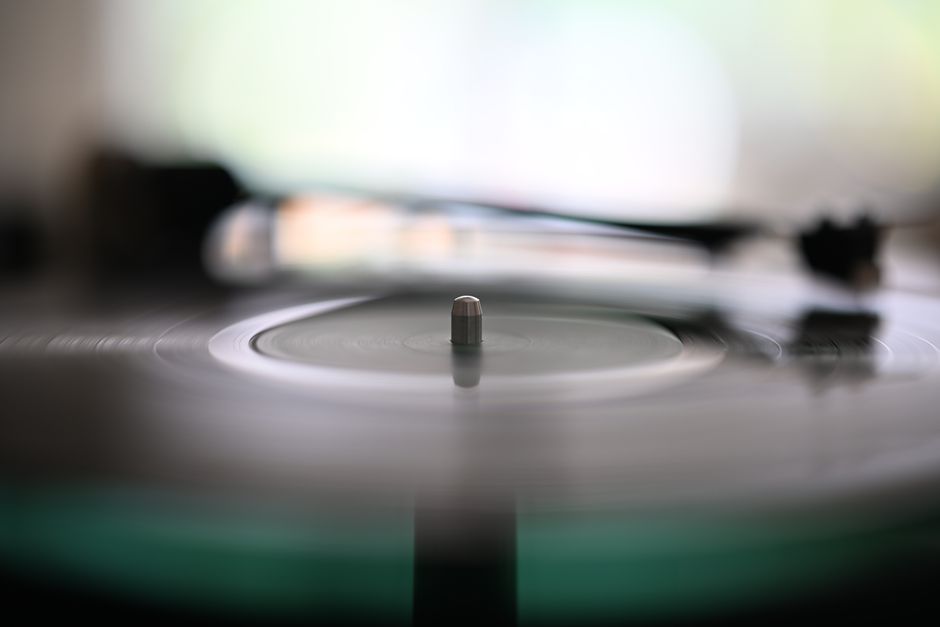
Revival of Vinyl: Why Analog Albums Are Making a Comeback
In an era dominated by digital streaming and instant access, the vinyl record has staged a remarkable resurgence. For decades, many considered the format obsolete, relegated to dusty bins and collectors’ basements. Yet, sales have climbed steadily, and turntables have found their way back into living rooms. This renewed interest raises questions about what drives listeners to embrace a seemingly outdated medium. The trend appears to be more than a fleeting novelty, suggesting a deeper cultural and experiential shift in how people engage with recorded music.
This article seeks to understand the various factors that contribute to vinyl’s popularity. It will examine the sensory and tactile dimensions of the format, the behavioral changes it encourages in music consumption, and the broader implications for artists, labels, and listeners. By looking at these elements, we can appreciate why analog albums are being welcomed again and what that means for the way we experience music.
Nostalgia and the Tangible Connection
One of the driving forces behind vinyl’s comeback is the sense of nostalgia it evokes. For older generations, vinyl represents the music of their youth, a time when listening was a ritual. For younger listeners who grew up in a digital world, vinyl offers a connection to a past they may not have lived in but that holds cultural allure. This nostalgia is not simply about the music; it is about the entire experience of owning a physical object that can be held, displayed, and shared.
The tangible nature of vinyl records provides a more intimate connection to the music than digital files. Unlike a list of songs on a screen, a vinyl record occupies space. The large artwork, the liner notes, the weight of the disc—all contribute to a sensory experience that digital formats lack. This physicality makes the music feel more significant and enduring, as if it carries more value simply because it exists in a tangible form.
Moreover, the ritual of playing a record commands attention. It requires effort: removing the record from its sleeve, placing it on the turntable, and carefully positioning the needle. These actions create a sequence that encourages deliberate listening. In a world where music is often background noise, vinyl demands participation. This active engagement can transform a routine act into a meaningful event.
The Warmth of Analog Sound
Beyond the physical aspects, many enthusiasts claim that vinyl offers a distinct auditory quality. Analog recordings are often described as warmer and more natural than their digital counterparts. This perceived difference stems from the way sound is stored on a vinyl record: as a continuous groove that mirrors the original sound wave. In contrast, digital formats sample sound at discrete intervals, inevitably discarding some information. While modern digital audio can capture and reproduce sound with high fidelity, some listeners argue that analog retains a certain richness and depth.
However, it is important to note that the listening experience on vinyl is influenced by various factors, including the quality of the pressing, the playback equipment, and the condition of the record. The sound one hears may include pops, crackles, and subtle variations that are often considered part of vinyl’s charm. These imperfections can create a sense of authenticity, reminding the listener that they are hearing a physical reproduction, not a perfect digital copy. Sonyo audio, inc. and other manufacturers have improved turntable technology, but the inherent characteristics of the format remain.
In audiophile circles, the debate between analog and digital sound continues. Many factors come into play, from the mastering of the record to the preamplifier used. Some studies suggest that the perceived superiority of vinyl sound may be influenced by psychological factors, as the setting and method of listening can color one’s expectations. Whether vinyl is objectively better is arguable, but its subjective appeal is undeniable for a segment of music lovers.
A Slower Pace of Music Consumption
The rise of streaming has transformed music consumption into a fast-paced activity. With access to millions of songs at any moment, listeners often skip tracks, shuffle playlists, and listen to shorter fragments. This behavior encourages a kind of ”snacking” on music rather than engaging deeply. Vinyl, by its nature, resists that trend. A side of a record plays for about twenty minutes, and skipping between tracks is cumbersome. This format encourages listeners to experience an album from start to finish, fostering a more patient and immersive engagement.
This limited track selection and linear playback can change how one perceives an album. The sequencing of songs becomes an intentional artistic choice by the musicians, and listening through the entire record allows one to appreciate the album as a cohesive work. For many, this approach offers a more meaningful connection to the music, as it respects the artist’s vision and provides context that a shuffled playlist lacks.
Moreover, the act of listening to vinyl often involves a focus on the music that is less common in other settings. When someone decides to play a record, it is usually with the intention of listening attentively, perhaps in a comfortable chair with no other distractions. This mindful listening can enhance the emotional and intellectual response to the music. In a culture that prizes multitasking, vinyl encourages a singular focus, allowing listeners to delve into the nuances of composition, lyrics, and sound.
The Album as a Work of Art
Another important facet of vinyl’s revival is the appreciation of the album as an art form that goes beyond the audio content. The large format of the record sleeve provides a canvas for visual artists, resulting in iconic imagery that has become synonymous with classic records. The tactile experience of examining the artwork, reading liner notes, and absorbing the design can deepen one’s engagement with the music. Record labels and musicians often invest considerable effort in packaging, creating a product that is a collectible item as much as a means of audio playback.
For example, limited edition pressings often feature colored vinyl, special artwork, or even etched discs, adding exclusivity. This practice has made vinyl a desirable item for collectors, who treasure rare pressings and original issues. The physical nature of the format also allows for ownership in a way that digital files do not. When one purchases a digital download, they are essentially licensing the content, but a vinyl record can be owned, resold, and passed down.
The aspect of album ownership and the curation of a personal collection further ties into the aesthetic appeal. In a world of ephemeral digital media, a vinyl collection can become a reflection of personal identity and taste. Browsing through a friend’s record shelf can be a conversation starter, revealing shared interests and introducing new music. The cultural significance of vinyl extends beyond listening; it is a lifestyle statement and a way of connecting with others who appreciate similar art.
The Role of Record Stores and Community
Part of vinyl’s revival is the re-emergence of the record store as a social hub. Independent shops have become destinations for music fans who seek the unique experience of digging through bins and discovering hidden gems. Record Store Day, an annual event, has become a global celebration, encouraging visits to local stores and releasing special editions. This emphasis on physical retail has created a sense of community around vinyl collecting, which is less prominent in digital-only consumption.
The communal experience of discussing music, sharing finds, and participating in listening events adds a social dimension to the format. Stores often host in-store performances and signings, providing opportunities for fans to interact with artists. In this way, vinyl fosters connections that go beyond the isolation of streaming through a headphone.
Furthermore, the need for physical storage and organization has led to thoughtful curation practices. Collectors often take pride in organizing their records alphabetically by artist or genre, creating a library of music that is both functional and aesthetically pleasing. The process of choosing which record to play, removing it from its sleeve, and placing it on the turntable is a deliberate action that engages the body and mind. This mindful approach to music selection provides a counterbalance to the overwhelming choices of digital catalogs.
Conclusion: A Pluralistic Future for Music
The resurgence of vinyl does not necessarily signal the end of digital music. Rather, it reflects a diverse and nuanced market where listeners value different experiences. Digital streaming offers convenience, portability, and a vast library, while vinyl provides a tangible, immersive, and intentional listening experience. Many music fans today adopt a hybrid approach, using streaming for discovery and convenience, while reserving vinyl for albums they love and wish to savor.
The longevity of vinyl in a digital age suggests that its appeal is deeply rooted in human desires for connection, ritual, and touch. As technology continues to evolve, it is plausible that other formats may emerge or that vinyl will remain a niche but significant part of the music ecosystem. The choice of format is not simply about sound quality but about what one wants from their musical engagement.
In the end, the turning of a disc is not just about the sound it produces, but the moment it creates.
The music industry has adapted to accommodate both analog and digital realms, with many artists releasing albums on multiple formats. This ensures that listeners can choose how they want to experience the music. As we move forward, the coexistence of various formats enriches our musical lives, reminding us that the way we listen is as important as the music itself.