From Garage to Stadium: The Rise of Indie Bands
The journey of an indie band often begins in a cramped garage or a small practice space, where raw energy meets limited resources. These humble origins are a common thread in the stories of many artists who later find themselves performing on large stages. The path from these modest beginnings to headlining major festivals is neither linear nor guaranteed, but it follows a series of contextual steps that shape both the music and the musicians.
Understanding this trajectory requires looking at the broader ecosystem of independent music, including the role of DIY distribution, grassroots promotion, and the gradual building of a dedicated audience. While the romanticized image of a band being discovered overnight persists, the reality involves consistent effort, strategic networking, and a fair amount of experimentation. This article explores the process by which indie bands navigate their way from local obscurity to wider recognition, without implying that success is a direct result of any single action.
Origins in the Garage
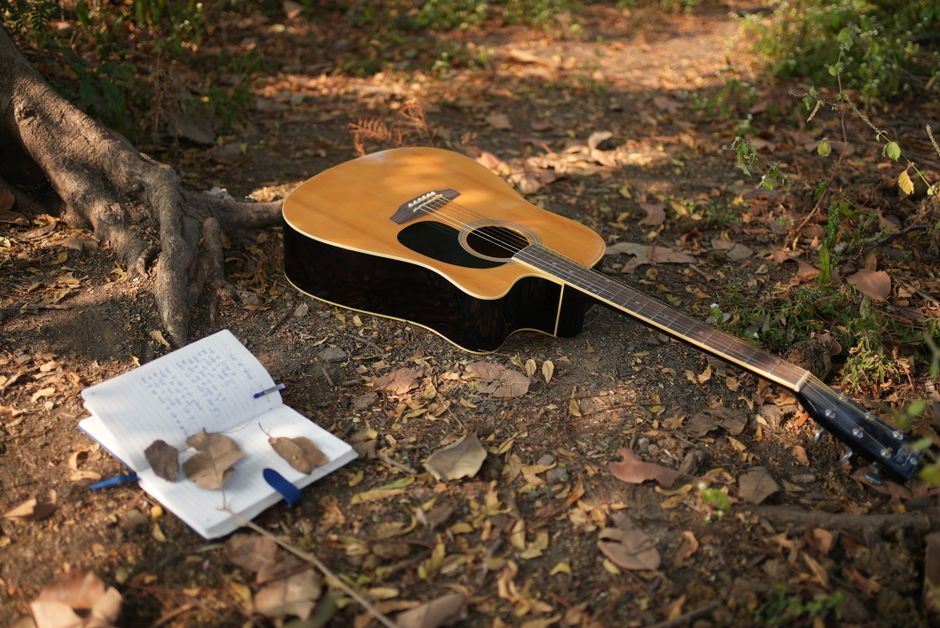
Garage spaces serve as incubators for many musical projects, offering a private environment where experimentation is possible without the pressure of an audience. In these informal settings, bands develop their initial sound, often through trial and error. The creative process in a garage is characterized by a high degree of autonomy, allowing musicians to explore styles that may not align with mainstream trends. This period is crucial for establishing a cohesive identity and honing songwriting skills, but it is also a time when many groups disband due to creative differences or practical constraints.
The garage phase is not only about music but also about learning to operate as a unit. Bands must coordinate schedules, manage equipment, and make collective decisions, which builds a foundation for later professional interactions. Additionally, the local context plays a role: in the United States, garage culture has a rich history, from the 1960s garage rock movement to the 1990s indie boom. Contemporary indie bands often draw inspiration from these earlier waves, adapting DIY ethics to modern realities. The evolution from garage to stage is thus rooted in a tradition that values authenticity and direct engagement with music.
Building a Local Presence
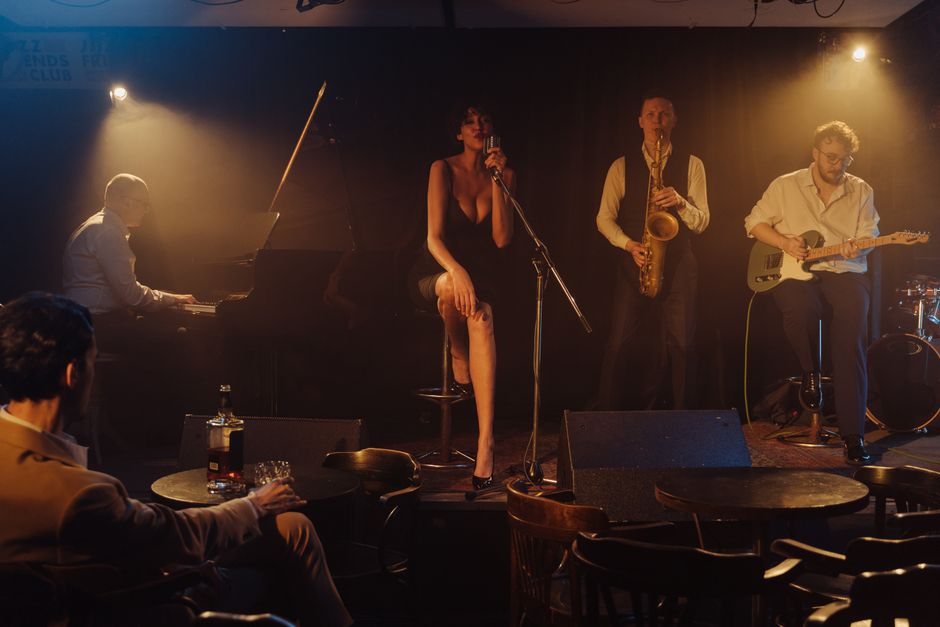
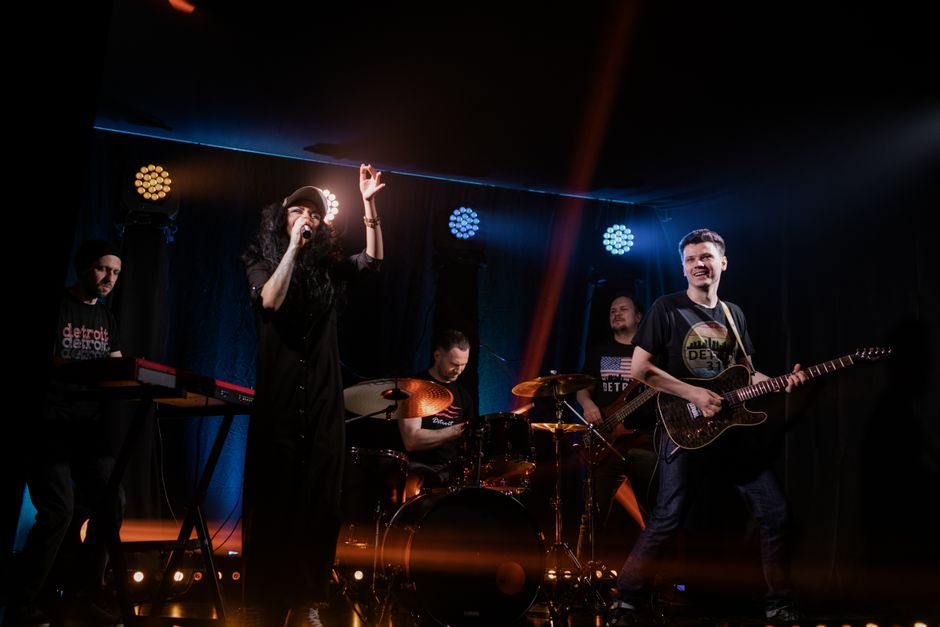
After establishing a repertoire, the next step for many indie bands is to perform at local venues, from small clubs to house shows. These initial performances serve multiple purposes: they introduce the band to a live audience, help refine stage presence, and generate early word-of-mouth. Local promoters and venue bookers act as gatekeepers, and their willingness to give a new band a slot often depends on the band’s demo recordings and online presence. In this phase, the band’s network within the local music scene matters, as connections can lead to opening slots for more established acts.
Simultaneously, bands begin to release music, often through platforms like Bandcamp or SoundCloud, and later on streaming services. The process of self-releasing an EP or single is a learning experience in marketing and distribution, even if the reach remains limited. Social media becomes a tool to document progress, share content, and interact with an emerging fanbase. However, the impact of these efforts is not immediate; building a local presence takes time and patience. Consistency in performing and releasing material helps maintain momentum, but results vary based on context, including the size of the local market and genre popularity.
Reaching Beyond the Local Scene
To move beyond their immediate geographic area, indie bands typically rely on regional tours and targeted online campaigns. Touring regionally allows a band to test their appeal in different cities, building a broader following one venue at a time. The logistics of such tours involve careful planning, from booking shows to managing travel expenses. Many bands adopt a DIY approach initially, handling bookings themselves or through small promoters. This phase also involves collaborating with local radio stations, college radio in the United States being particularly supportive of independent artists.
Online presence becomes more sophisticated: a band might engage with playlist curators, submit to music blogs, and utilize targeted social media advertising. Streaming analytics provide insights into listener demographics, which can inform where to tour next. However, the influence of these actions is multifaceted. Algorithms can be unpredictable, and playlist placements are not solely dependent on a band’s efforts. Additionally, the rise of platforms like TikTok has introduced new dynamics, where viral moments can occur organically, but they are not controllable. Therefore, a band’s strategy must be adaptable, balancing online visibility with offline interactions.
The Role of Labels and Industry Support
While many indie bands remain independent throughout their career, others choose to partner with record labels at various stages. Independent labels often provide financial support for recording, distribution, and promotion, allowing the band to focus more on music. In return, labels negotiate a share of revenue, and they bring industry connections that can facilitate radio play, press coverage, and festival bookings. The decision to sign with a label is not straightforward; it involves assessing terms, creative control, and long-term implications. Some bands may opt for licensing deals, where they retain ownership but give the label limited rights for a specific release.
The relationship between a band and a label is collaborative, and its success depends on mutual expectations. Labels typically have expertise in marketing and distribution, but the ultimate trajectory of a band’s career still depends on audience reception and broader trends. Even with label support, the path to mainstream recognition remains competitive. Major festivals, for instance, curate their lineups based on a variety of factors, including a band’s live reputation, streaming numbers, and industry buzz. Being selected to play at a prominent festival can raise a band’s profile, but it does not guarantee sustained success. It is one of many milestones that contribute to an evolving career.
Navigating the Stream of Opportunities
As an indie band gains traction, a series of opportunities may arise, including appearances at increasing larger venues, press features, and potentially television slots. These opportunities often come through a combination of factors: a growing fanbase, positive reviews, and the proactive efforts of a management team, should the band have one. However, the landscape is constantly shifting, and what works for one band may not for another. The expansion into new markets requires careful attention to financial sustainability, as the costs of touring and promotion escalate with each step up.
Additionally, the band’s brand extends beyond music to include merchandise, social media personas, and possibly collaborations with other artists. Licensing songs for films or commercials can provide income and expose the band to diverse audiences. But each decision carries potential trade-offs. For instance, excessive licensing might alter how fans perceive the band’s authenticity. Therefore, indie musicians must weigh these choices against their artistic goals and personal values. The ability to adapt without losing their core identity is a central challenge.
The Climax at Festivals
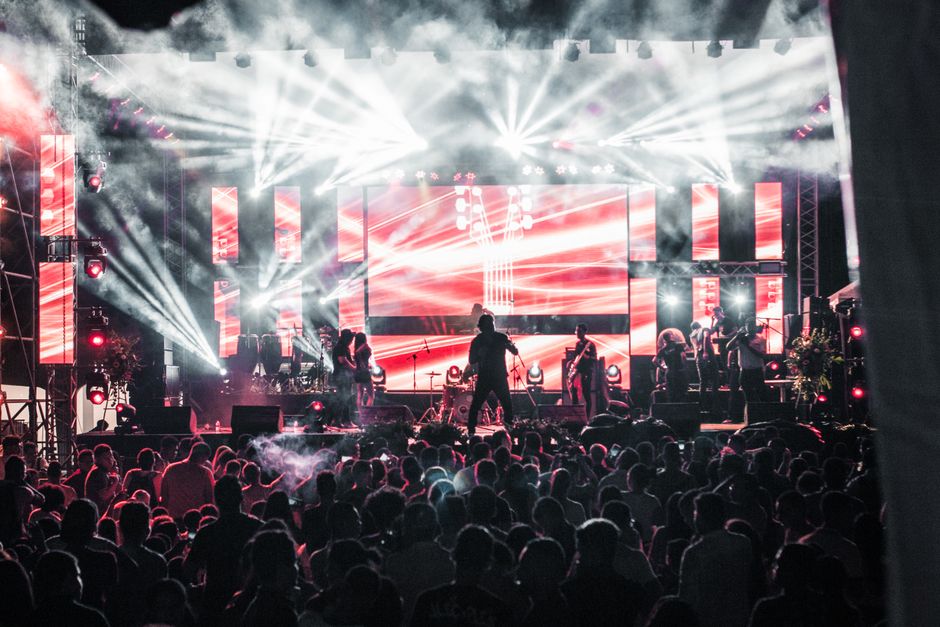
For many indie bands, performing at major music festivals represents a peak achievement, both creatively and commercially. Festivals offer a platform to reach large, diverse audiences, often resulting in a surge in streaming activity and social media followers. The performance itself is the culmination of years of rehearsal and live experience, and the atmosphere of a festival can be both exhilarating and demanding. However, being on a festival lineup is not a final destination but rather a moment in a continuous journey. The exposure can lead to further opportunities, such as international tours or collaborations, but it also places the band under increased scrutiny.
The festival appearance is often preceded by a series of strategic actions: releasing music at an opportune time, scheduling regional shows to build hype, and engaging with the festival’s promotional activities. The band’s management and label, if any, coordinate these efforts, aiming to maximize the impact of the performance. Yet the outcome depends on factors like the time slot, the crowd’s mood, and the overall quality of the set. A well-received performance can catalyze a band’s career, but a less successful one does not necessarily detract from long-term progress.
In the modern music industry, the route from garage to stadium is not a fixed path but a network of possibilities. Indie bands that navigate it successfully often share a combination of artistic vision, adaptability, and persistent engagement with their community. While no formula can guarantee ascent, understanding the process allows musicians to make informed choices that align with their own definition of success.